
Why do people keep a Journal?
Updated: Nov 3

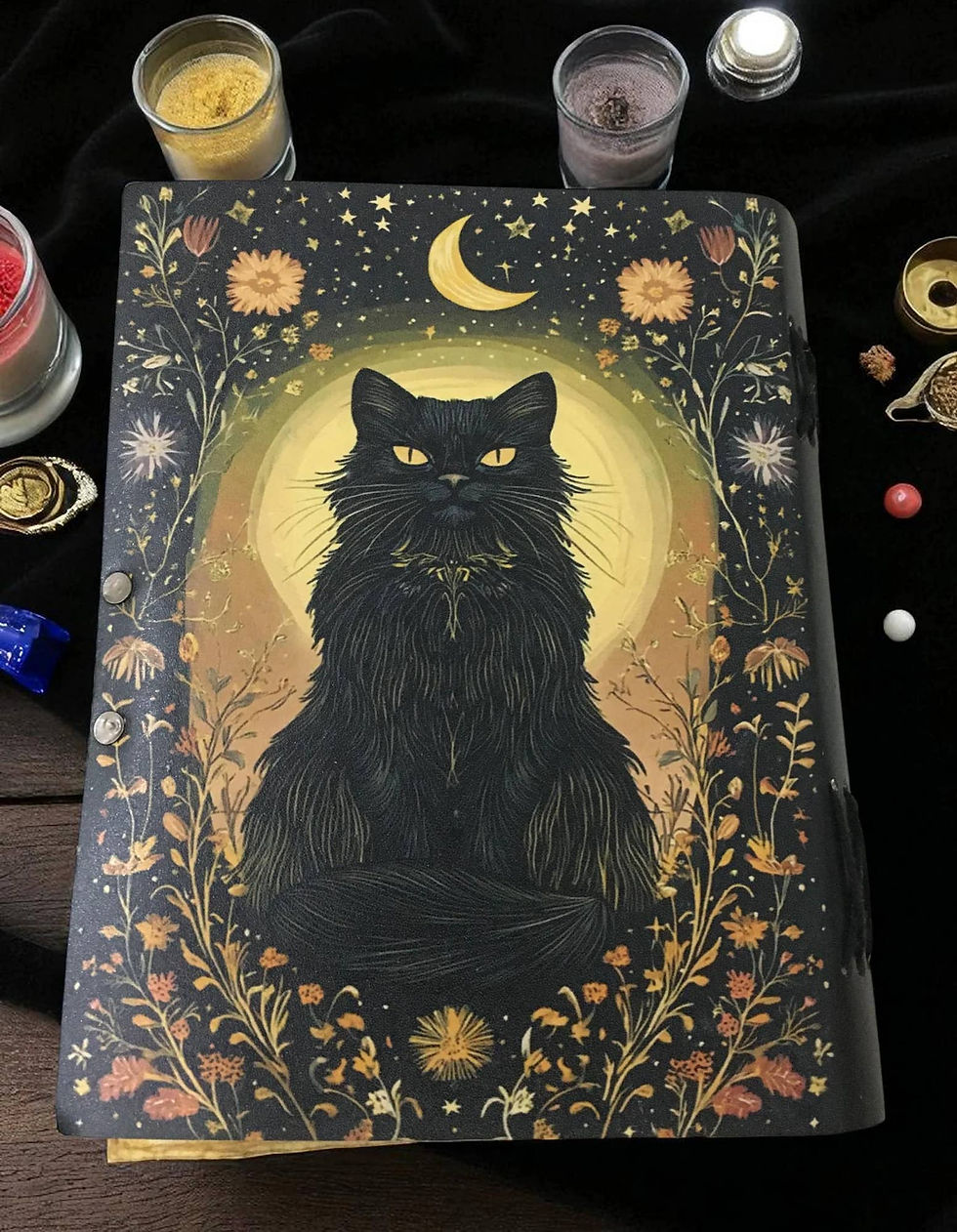




Journaling has become incredibly popular because people are looking for ways to slow down, understand themselves, manage stress, and feel more in control of their lives.
But here's the interesting part: Journaling isn't just about writing down what happened during your day. It's about getting to know yourself better.
For many people, it's become a form of self-care, emotional release, personal growth, and even a little private therapy.
Why do people journal?
1. To get thoughts out of their heads
Writing down worries, frustrations, ideas, and feelings can make overwhelming thoughts easier to sort through.
2. To reduce stress
Journaling gives people a private place to vent, process difficult experiences, and release emotions without worrying about being judged.
3. To practice gratitude
People write down what they're thankful for, helping them pay attention to the positive things in everyday life.
4. To set goals and manifest dreams
Journaling helps people clarify what they want, track progress, create intentions, and visualize the future they're working toward.
5. To understand themselves
People use journals to recognize patterns in relationships, emotions, habits, decisions, and personal experiences.
Why is journaling so popular right now?
I think there are several reasons it has really taken off:
1. People are overwhelmed by everyday life. Between work, family, finances, relationships, and constant notifications, people want somewhere to put their thoughts.
2. Social media has made it fashionable. TikTok, Instagram, and Pinterest have popularized aesthetic journals, morning routines, gratitude lists, manifestation journals, and beautifully decorated planners. Journaling has become something people enjoy sharing and doing together.
Frontiers+1
3. People are becoming more comfortable discussing mental wellness. Taking care of your emotional well-being is increasingly seen as just as important as taking care of your physical appearance.
4. People want a break from technology. Sitting down with a notebook, a cup of coffee, and a few quiet minutes can feel like a welcome break from screens.
5. It's inexpensive and accessible. You don't need a therapist, expensive equipment, or special skills to start.
The Guardian+1
Different types of journals people are buying
Gratitude Journal
Focuses on blessings and positive experiences.
Self-Love Journal
Confidence, self-worth and personal growth.
Manifestation Journal
Dreams, intentions and future goals.
Mental Wellness Journal
Feelings, stress and emotional reflection.
Daily Planner Journal
Organization, routines and productivity.
Shadow Work Journal
Exploring deeper feelings, insecurities and behavioral patterns.
How do you start journaling?
You don't need to write a book every day. Start with five minutes and answer three questions:
How am I really feeling today?
What is taking up the most space in my mind?
What is one thing I want to do for myself today?
That's it!
And remember, journaling isn't a competition. Your handwriting doesn't have to be pretty, your pages don't have to look like Pinterest, and you don't have to write every single day.
One important distinction: research suggests journaling can support well-being, but results vary, and it isn't a replacement for professional mental health care.


Comments